
Grades 9-12
AI Foundations
A free, flexible high school curriculum where students go from understanding how AI works to building web apps with AI as a creative partner.
School YearExplore curriculum

Students don't just learn about AI. They build it.
Building AI Systems is a full-year curriculum where students learn how AI works by building AI systems themselves in Python, moving from foundational logic and machine learning to generative AI and multimodal systems, with time at the end of the course to prepare for the AI-901: Microsoft Azure AI Fundamentals exam. ACE college credit recommendation is expected for 2027. Licensed to districts; pricing is shared when you talk with our team.

Paragraph
Live · Free
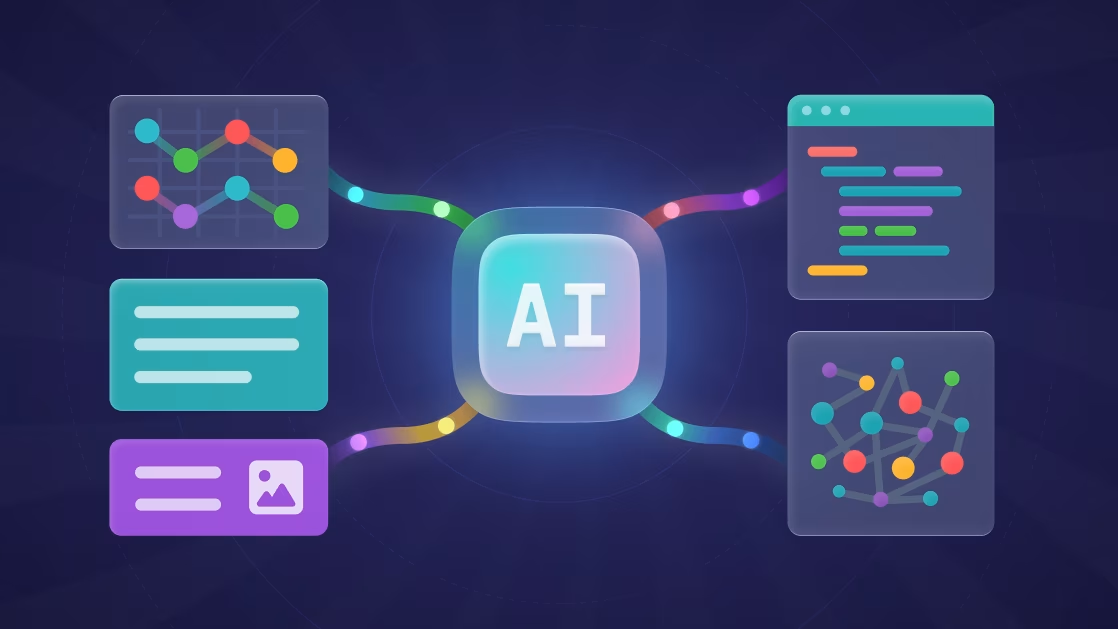
Every student's starting point: how AI works, computing and data basics, and programming in JavaScript. No prerequisites.
Piloting SY26-27 · Launches Fall 2027

Students build and train AI systems in Python, with Harvard's CS50 team. Prepares for Microsoft Azure AI Fundamentals (AI-901).
In design · Pilots SY27-28
AI-enabled software development, capstones, and a portfolio students carry into college and work. Credential to be announced.
A free, flexible high school curriculum where students go from understanding how AI works to building web apps with AI as a creative partner.

Students build and train AI systems in Python, with Harvard's CS50 team. Prepares for Microsoft Azure AI Fundamentals (AI-901).
AI-enabled software development, capstones, and a portfolio students carry into college and work. Credential to be announced.
An advanced course for students who have taken AI Foundations (the full-year course or AI Foundations: Designing and Building with AI), AP Computer Science Principles, or have at least 3 months of programming experience in any language, and want to go deeper into AI.
Aligned to AI-901: Microsoft Azure AI Fundamentals, an industry-recognized credential. Students finish the year ready to sit for the exam.
Students build and train real AI systems in Python across a full year, finishing with a capstone of their own design.
An American Council on Education (ACE) college credit recommendation is expected in 2027.
80 hours of professional learning: 40 hours of facilitated support to launch the course and 40 hours of ongoing support through the school year.
Built with CS50 team
Building AI Systems is built with Prof. David J. Malan and the team that brought you CS50. The goal is a curriculum grounded in the ideas underneath the tools, so students who finish it can make sense of whatever comes next, and a classroom experience that holds up to the standard CS50 and CodeAI are known for.
AI Foundations: Designing and Building with AI is now available!
In the newly added curriculum, students can write JavaScript, build web apps, and use AI as a creative partner, completing a full year format.
Every student needs to be able to understand, direct, question, and create with AI. That takes three disciplines working together: computer science, AI science, and data science. The pathway courses build this step by step.
Three courses, from using AI thoughtfully, to understanding how it works, to building AI-powered systems of their own. AI Foundations is free and live today. The two advanced courses are district-funded through Perkins V and state CTE funds, and never paid for by students or families. We are building them with early state and district partners, so names, credentials, and timing for later courses may change.
How AI works, and how to evaluate and create with it. Computing systems, networks, and security. Data science. Programming in JavaScript. Capstone: a human-centered web app. Credential: AI Ready Skills: AI Foundations. Cost: Free.
AI and machine learning fundamentals, plus ethics. Preparing data for AI systems. Training and testing models. Implementing AI solutions in Python, from search algorithms to generative AI agents, with a capstone. Built with Harvard's CS50 team. Credential: Microsoft Azure AI Fundamentals (AI-901). Cost: TBD per student, covering curriculum and the certification exam voucher.
Full-lifecycle software development. Integrating AI and machine learning components. Capstone: a professional portfolio students carry into college and job applications. Working title. Credential: to be determined. Cost: TBD per student, covering curriculum and the certification exam voucher.
26 of 50 states already count credential attainment in their accountability systems. States and districts are asked to prepare students for AI with little agreement on what that means; what they already measure and fund is credentials, college credit, and CTE pathways. This pathway is built to count toward each, funded with CTE dollars states already direct to career pathways.
Aligned to Microsoft Azure AI Fundamentals (AI-901), an industry-recognized credential. Students finish the year ready to sit for the exam.
We are pursuing an American Council on Education (ACE) credit recommendation so the course can support dual credit. Not yet secured; the receiving college decides.
Designed to sit in the Digital Technology cluster as the second or third course. Eligible for Perkins V and state CTE funds; course codes are set with each state.
26 of 50 states already count credential attainment in their accountability systems. This pathway lands in a metric you already report.
🖼️ Image placeholder. Please add an "Image" content type or image asset entry in the Content sidebar.
States and districts are asked to prepare students for AI with little agreement on what that means. What they already measure and fund is credentials, college credit, and CTE pathways. This course is built to count toward each.
Grades: 9, 10, 11, 12
Level: Beginner
Duration: Semester, School Year
Devices: Chromebook, Computer
Topics: Programming, Data, Cybersecurity, Artificial Intelligence, Internet, JavaScript, Web Development
Tools: AI Chat Lab, Python Lab, Web Lab, Sketch Lab
Professional Learning: Facilitator-led Workshops, Self-paced Modules
Languages supported: English
"Just had a one-on-one in my AI Foundations class with a student who struggles with coding and attention span.
A few minutes in something clicked and he started outpacing me—experimenting on his own. His whole demeanor flipped. Confidence unlocked.
Moments like that are why I teach."
Alexander Lonsdale
Teacher, Oklahoma
Inside Building AI Systems · Ten units across two semesters
Over two semesters, students move from the ideas underneath AI to building systems of their own in Python. Every unit ends in a project.
Semester 1 · Building machine learning from the ground up: Logic-Based AI, Machine Learning Fundamentals, Working with Data, Making Predictions, Natural Language Processing, and AI at Scale.
Semester 2 · Connecting to AI services, building a capstone, and preparing for the AI-901 exam: Integrating Software Systems, Generative AI, Multimodal Data, and Problem-Solving with AI, where students design, prototype, and test an AI system that addresses a real user need.
Want the unit-by-unit syllabus? We'll send it to you.

Units 1-6 · Grades 9-12
Semester 1
AI Foundations: Exploring AI and CS
Semester 2
AI Foundations: Designing and Building with AI
Students get comfortable in Python while implementing logic-based AI, then move into machine learning: classification and regression, working with data, training their own models with scikit-learn, natural language processing, and neural networks. Every unit ends in a project. Semester 1 closes with an end-to-end machine learning solution for a problem students choose.
Units 7-10 · Grades 9-12
Semester 1
AI Foundations: Exploring AI and CS
Semester 2
AI Foundations: Designing and Building with AI
Students learn how computers communicate and how software exposes capabilities through APIs, then connect their own Python programs to hosted AI models in Microsoft Foundry: generative AI and agents, multimodal data, computer vision, and information extraction. The course ends with a capstone in which students design, prototype, and iterate on an AI system that addresses a real user need, and explain it to a non-technical audience.
Is it right for your school?
Semester 1
AI Foundations: Exploring AI and CS
Semester 2
AI Foundations: Designing and Building with AI
Who the course is for: students who have completed AI Foundations, AI Foundations: Designing and Building with AI, AP Computer Science Principles, or AP Computer Science A; any student with at least three months of programming experience in any language; and students curious about AI and machine learning as careers, or who want rigor but don't see themselves in an AP course. Schools can offer the course without AI Foundations, as long as students arrive with the programming prerequisite.
Teach one semester of the AI Foundations curriculum. We also offer state-aligned options for select states.

An introduction to the core principles and real-world applications of computer science and AI — problem solving, data, cybersecurity, networks, and the internet. Modular: units can be taught independently or as a full semester.

Students learn JavaScript from the ground up while using AI as a creative collaborator — writing and debugging real code, building interactive web apps, and developing the judgment to know when AI should help and when it shouldn't.

Idaho Digital Literacy is a version of the Artificial Intelligence (AI) Foundations curriculum specifically designed to meet Idaho standards.

Computing Foundations for a Digital Age is a version of the Artificial Intelligence (AI) Foundations curriculum specifically designed to meet Indiana standards.
Discover adaptable units that combine foundational computer science concepts with hands-on AI projects. Designed to meet CSTA standards and inspire real-world problem-solving.

Explore how AI generates content, identify issues like bias and hallucinations, and learn to debug and improve AI outputs for real-world use.

Learn Python through hands-on projects and explore ethical computing topics like accessibility, bias, and inclusivity in software design.

Discover how computing systems operate, focusing on the interaction between hardware, software, and operating systems.

Understand how the Internet works, including protocols like IP and DNS, and examine its impact on communication and society.

Investigate how data is collected, visualized, and analyzed, while examining privacy and ethics in the age of big data.
Sign up for a CodeAI account to get access to materials that will help you teach computer science with confidence. CodeAI has extensive resources designed to support educators, even those without prior CS teaching experience.
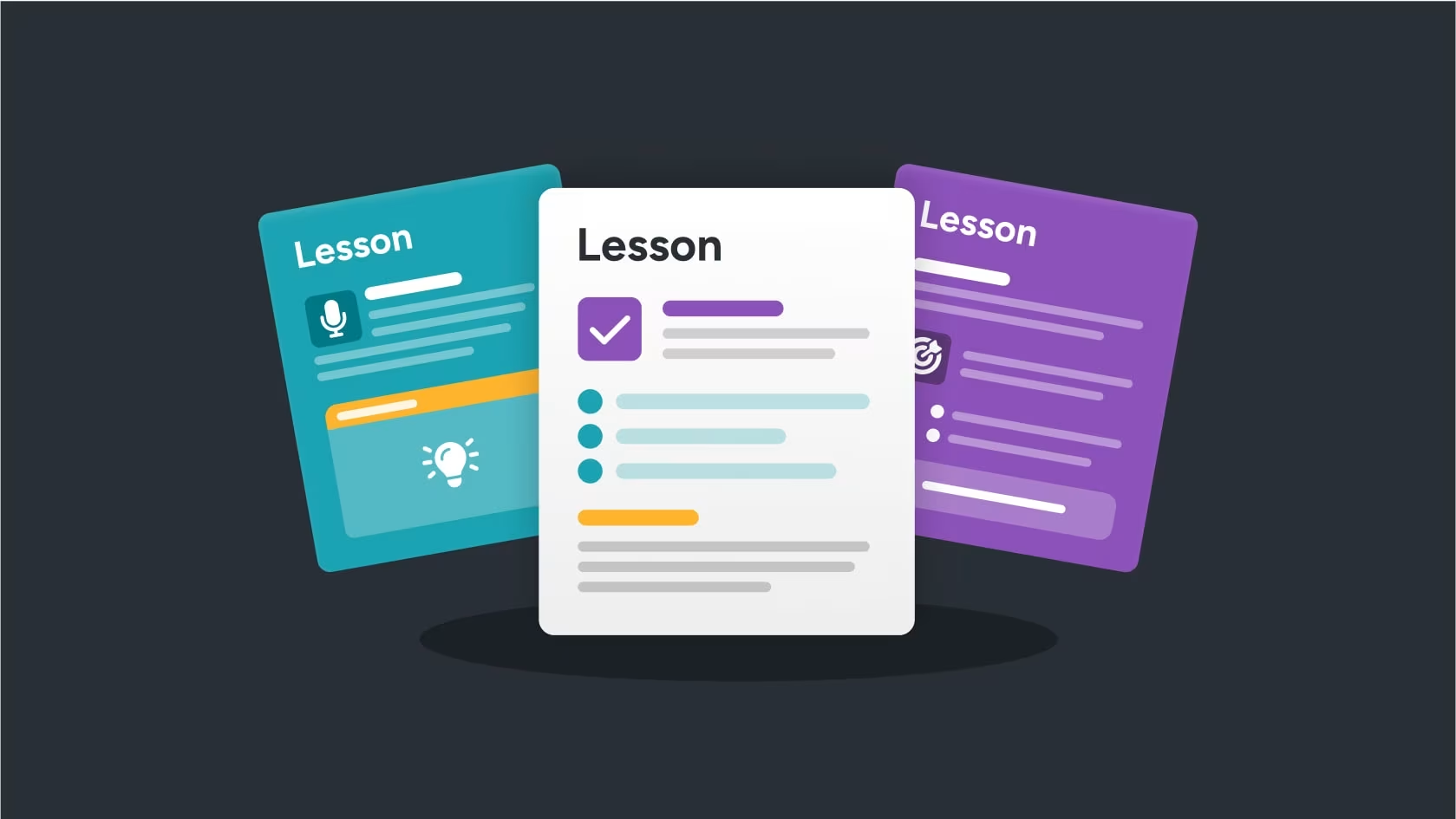
Get step-by-step guidance, learning objectives, and assessment strategies for effective teaching. Helpful resources include slide decks, activity guides, rubrics, and more — all organized in one place. Each lesson plan is accompanied by tips for classroom implementation, differentiation ideas, and extension activities to cater to students of all abilities.
Explore example lesson plan
Watch easy-to-understand overviews of computer science and programming concepts. CodeAI video series are designed specifically to support your classroom and are engaging and fun to watch.
Explore all videos
We offer educators an organized, visually engaging, and pedagogically sound framework to deliver computer science lessons. CodeAI slide decks provide step-by-step instructions, examples, and interactive activities that align with curricular objectives.
Explore example slide deck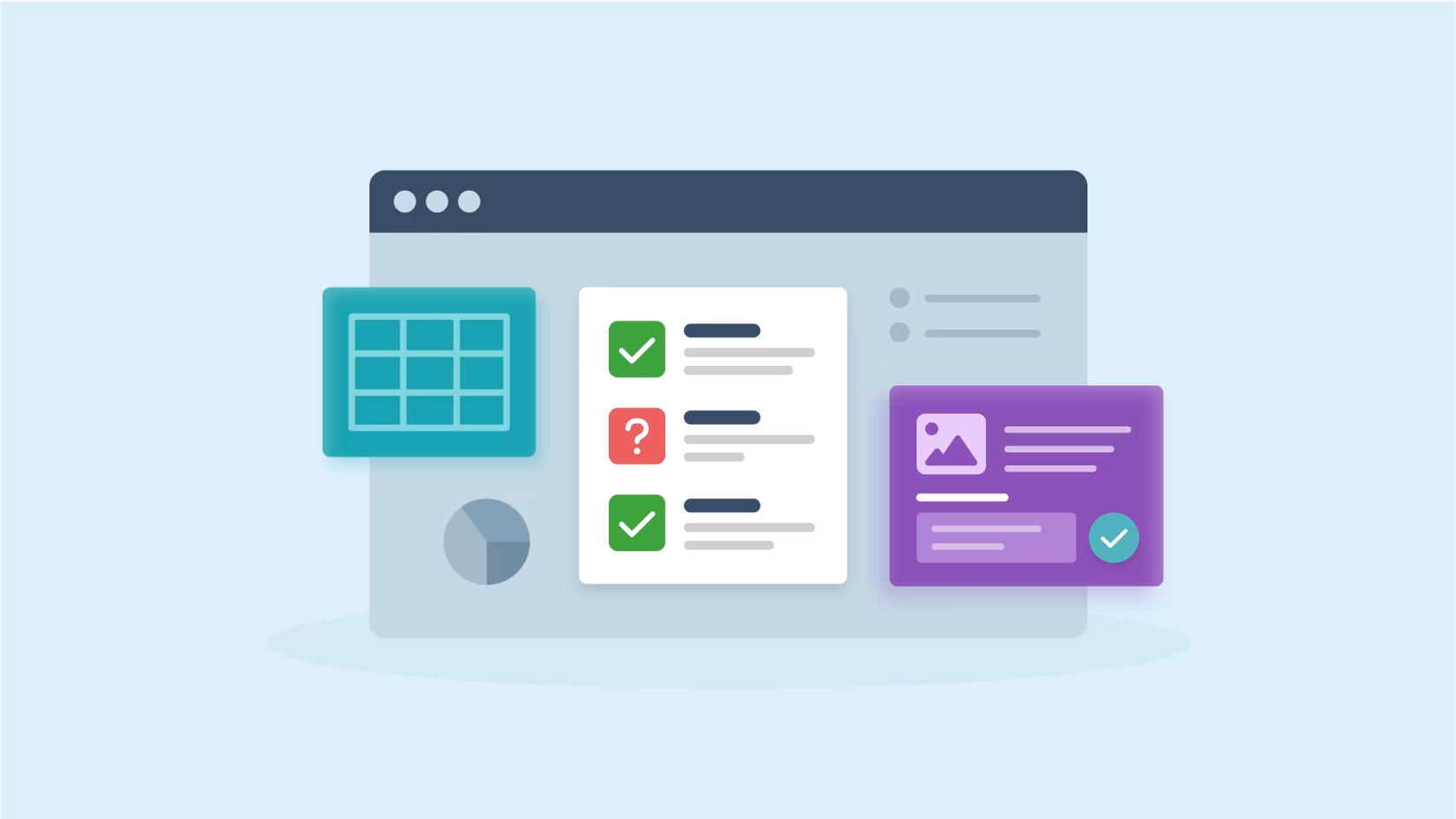
Our curricula includes a comprehensive system of formative and summative assessment resources. These include rubrics, checklists, mini-projects, end-of-chapter projects, student-facing rubrics, sample projects, and post-project tests — all designed to support teachers in measuring student growth, providing feedback, and evaluating student understanding.
Explore an assessment lesson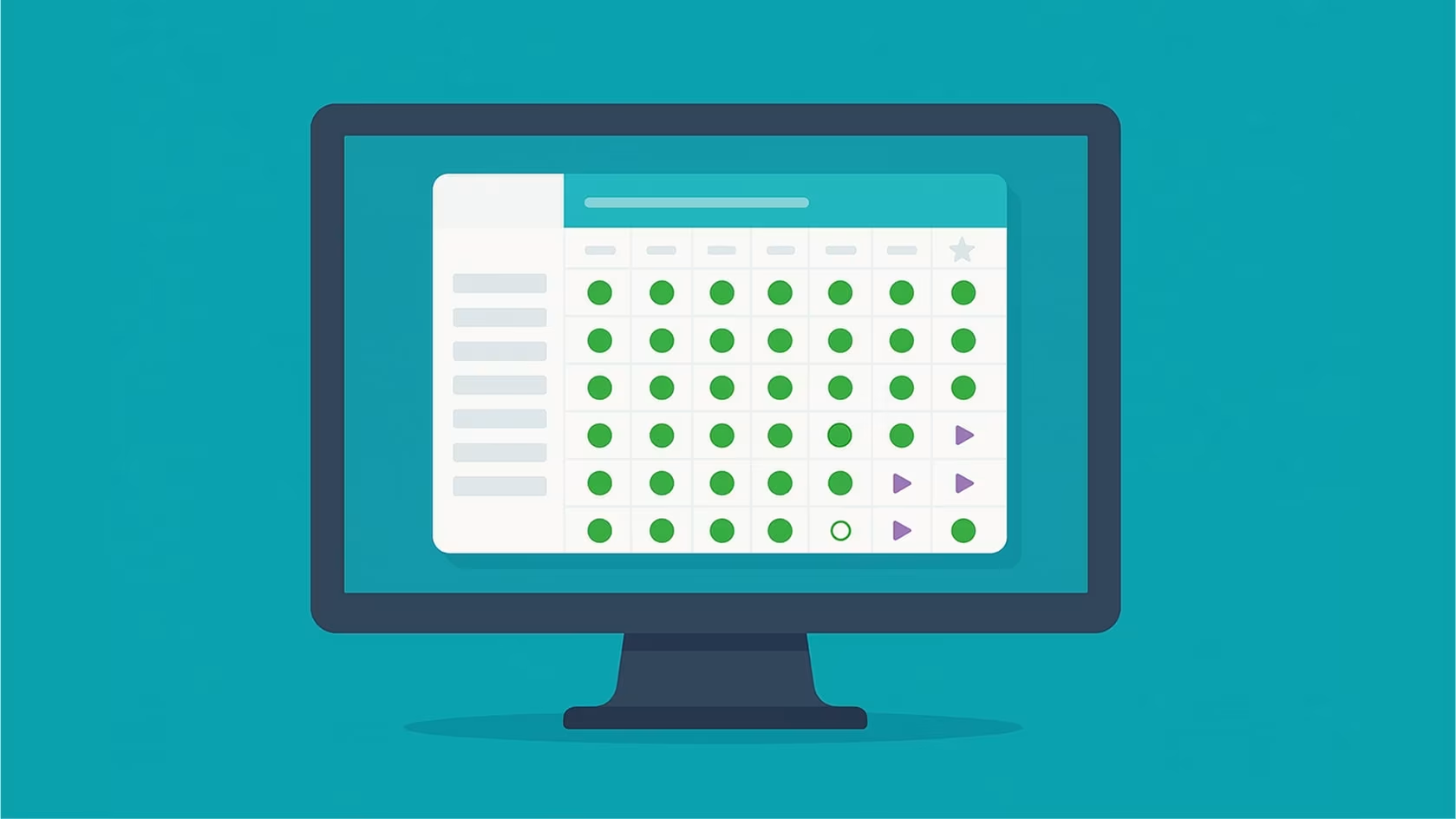
Our powerful progress view helps you monitor student work by providing insights into completion status, time spent, and more. Easily track each student's learning journey, quickly assess participation, and give personalized feedback.
Sign up to start tracking progressLesson Plans
Get step-by-step guidance, learning objectives, and assessment strategies for effective teaching. Helpful resources include slide decks, activity guides, rubrics, and more — all organized in one place. Each lesson plan is accompanied by tips for classroom implementation, differentiation ideas, and extension activities to cater to students of all abilities.
Explore example lesson planVideos
Watch easy-to-understand overviews of computer science and programming concepts. CodeAI video series are designed specifically to support your classroom and are engaging and fun to watch.
Explore all videosSlides
We offer educators an organized, visually engaging, and pedagogically sound framework to deliver computer science lessons. CodeAI slide decks provide step-by-step instructions, examples, and interactive activities that align with curricular objectives.
Explore example slide deckAssessments
Our curricula includes a comprehensive system of formative and summative assessment resources. These include rubrics, checklists, mini-projects, end-of-chapter projects, student-facing rubrics, sample projects, and post-project tests — all designed to support teachers in measuring student growth, providing feedback, and evaluating student understanding.
Explore an assessment lessonProgress
Our powerful progress view helps you monitor student work by providing insights into completion status, time spent, and more. Easily track each student's learning journey, quickly assess participation, and give personalized feedback.
Sign up to start tracking progressCS50 is Harvard University's introduction to computer science, taken by millions of learners worldwide.
Building AI Systems is built with Prof. David J. Malan and the team that brought you CS50. The goal is a curriculum grounded in the ideas underneath the tools, so students who finish it can make sense of whatever comes next, and a classroom experience that holds up to the standard CS50 and CodeAI are known for.
Never charged to families
AI Foundations stays free to every school and student. The two advanced courses carry a per-student cost (TBD) that covers curriculum and the certification exam voucher, designed to be paid with Perkins V and state CTE funds. Final pricing will be shared with early partners first.
Teacher preparation · Offered separately
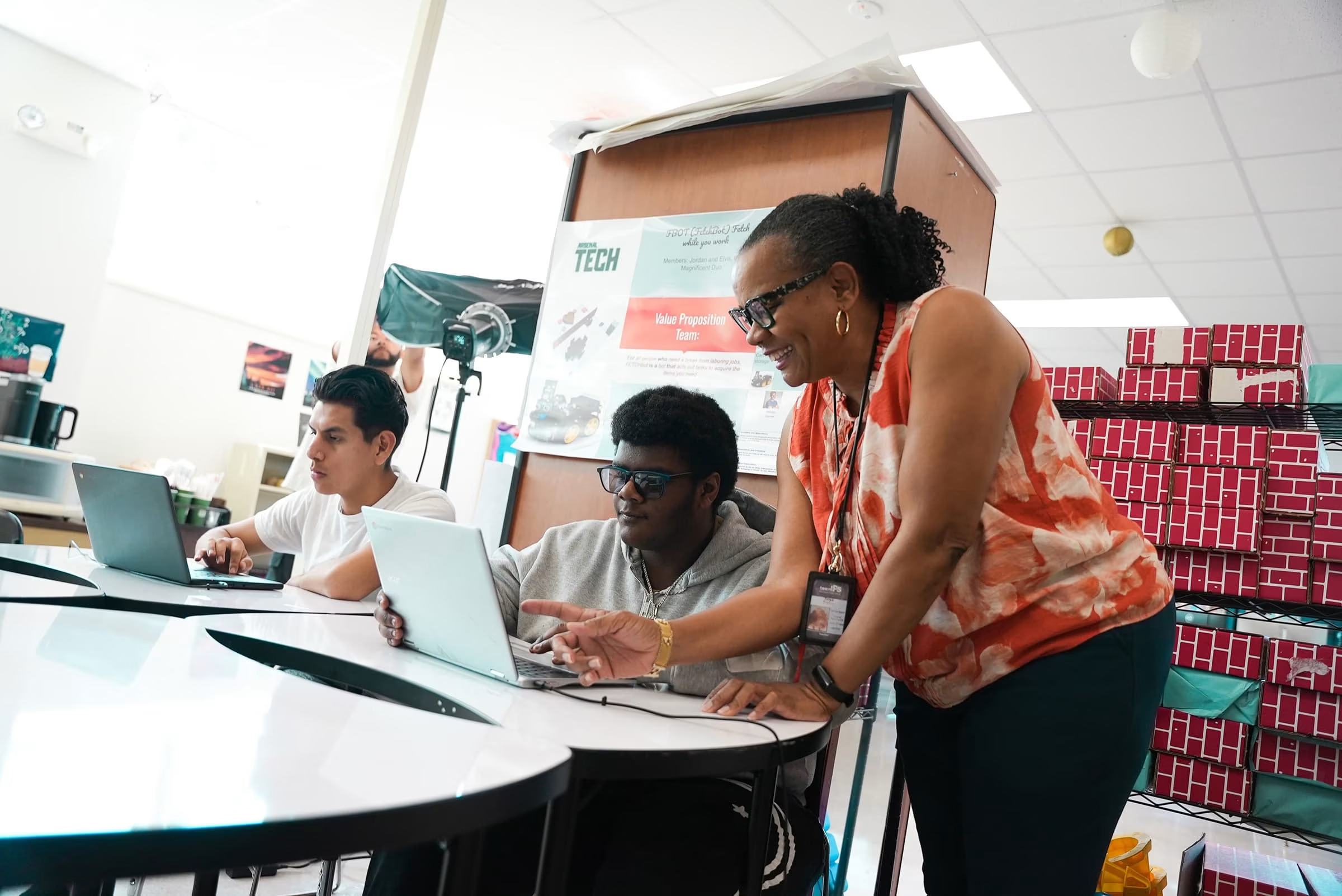
Choose a five-day summer intensive or a ten-week school-year option, both virtual, plus self-paced unit modules and optional monthly support. Teachers need experience teaching programming, not an AI background. Formats and pricing are being finalized for the 2027 launch.
Cost and funding · Never charged to families
AI Foundations stays free to every school and student. The two advanced courses carry a per-student cost (TBD) that covers curriculum and the certification exam voucher, designed to be paid with Perkins V and state CTE funds. Final pricing will be shared with early partners first.
40 hours to launch the course · 40 hours of ongoing support through the school year
Teachers learn alongside a facilitator and their peers in hands-on sessions before the course begins, as a five-day virtual summer intensive or a ten-week school-year option. Once the course is underway, support continues all year: self-paced resources for every unit, plus a live facilitated session each month to bring real classroom questions and get practical help.
Never charged to families
AI Foundations stays free to every school and student. The two advanced courses carry a per-student cost (TBD) that covers curriculum and the certification exam voucher, designed to be paid with Perkins V and state CTE funds. Final pricing will be shared with early partners first.
Teacher preparation · Offered separately
Choose a five-day summer intensive or a ten-week school-year option, both virtual, plus self-paced unit modules and optional monthly support. Teachers need experience teaching programming, not an AI background. Formats and pricing are being finalized for the 2027 launch.
Cost and funding · Never charged to families
AI Foundations stays free to every school and student. The two advanced courses carry a per-student cost (TBD) that covers curriculum and the certification exam voucher, designed to be paid with Perkins V and state CTE funds. Final pricing will be shared with early partners first.
Create web apps using HTML, CSS, and JavaScript with AI support.
Student-friendly IDE that runs real Python code.
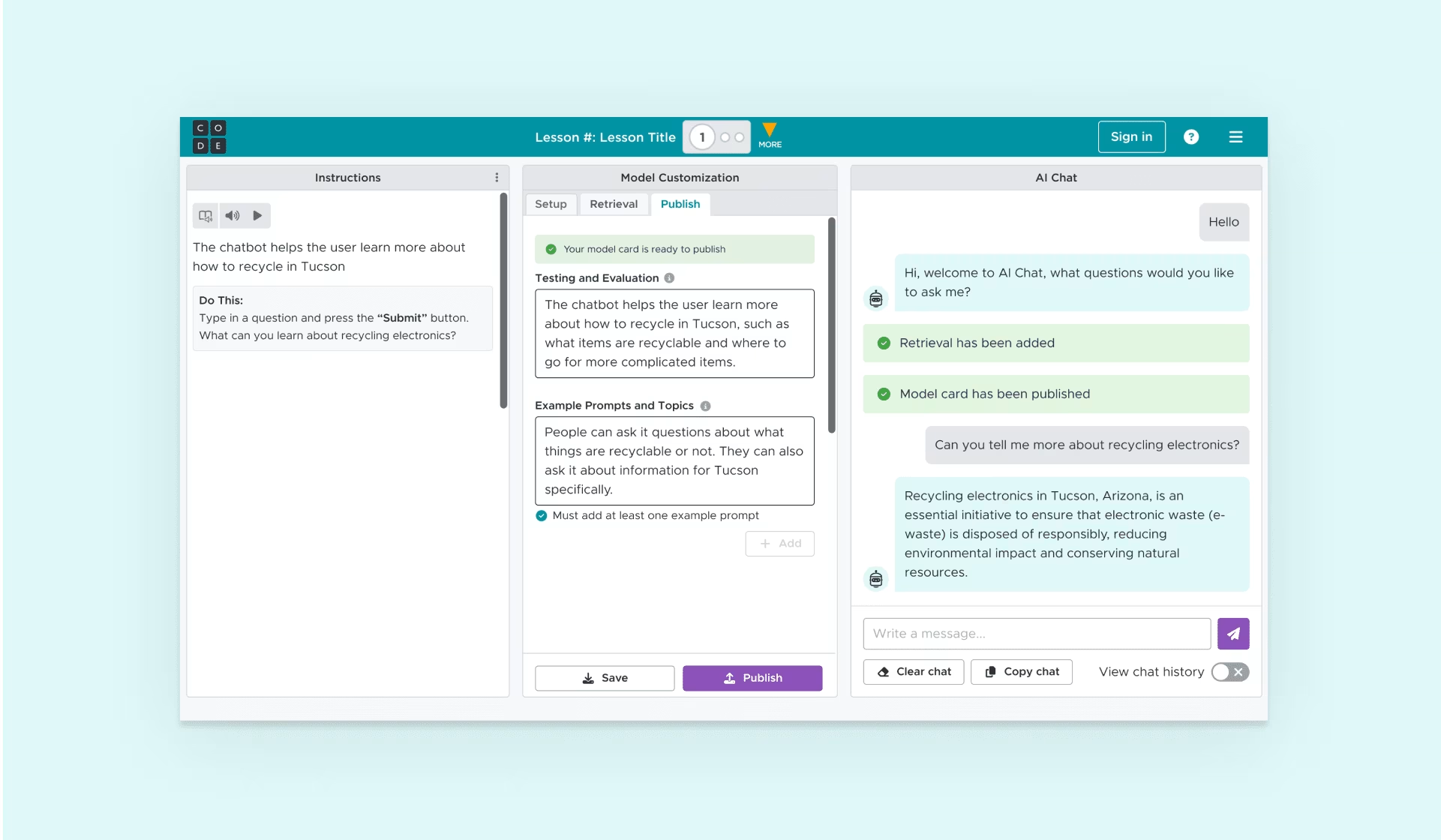
The AI Chat Lab tool, accessible only through our curriculum, allows students to experiment with AI models, learn prompt engineering, and customize chatbots using real-world techniques.
Building AI Systems is in pilot classrooms now and opens to districts for 2027-28. Your state or district can be one of the first with a complete, credentialed AI pathway.
The curriculum itself, set by the certification and the skills the field demands, is the same in every state we work with.
State alignments and approvals, course codes, teacher eligibility, and co-branded packaging as a state program, all driven by your input.
Designed to sit in the Digital Technology cluster as the second or third course. Eligible for Perkins V and state CTE funds; course codes are set with each state.
26 of 50 states already count credential attainment in their accountability systems. This pathway lands in a metric you already report.
The curriculum itself, set by the certification and the skills the field demands, is the same in every state we work with.
State alignments and approvals, course codes, teacher eligibility, and co-branded packaging as a state program, all driven by your input.
A national platform highlighting your state or district as a leader in AI education, plus the full three-course pathway. Teacher professional learning is offered separately.
A CTE course code and AI-901 on your approved credential list, plus introductions to CTE leaders and interested districts.
AIF (AI Foundations) is an introductory high school computer science course that integrates AI, data science, cybersecurity, and programming. It can serve as a student's first CS course or as a bridge to more advanced courses like AP CSP or AP CSA.
AI Foundations introduces foundational CS concepts like CS Discoveries but at a high school level and with a strong focus on AI and real-world applications. Unlike AP CSP, it is not tied to an AP exam and provides more in-depth exploration of AI, data science, and cybersecurity.
See in depth comparison to:
AIF is designed to meet the majority of state computer science graduation requirements. Specific alignment varies by state, so schools should verify with their local education authorities.
Yes, AIF aligns with CSTA standards and incorporates key concepts from state and national frameworks. It also integrates AI literacy, data science, and cybersecurity topics relevant to emerging standards.

Tell us about your schools and we'll follow up with pricing, the full syllabus, and next steps for bringing the curriculum to your students.
Join our community of educators, parents, and advocates by signing up for the latest updates on digital science education and CodeAI initiatives. Be the first to receive news, resources, and opportunities to support digital fluency.
You can unsubscribe at any time.

Paragraph
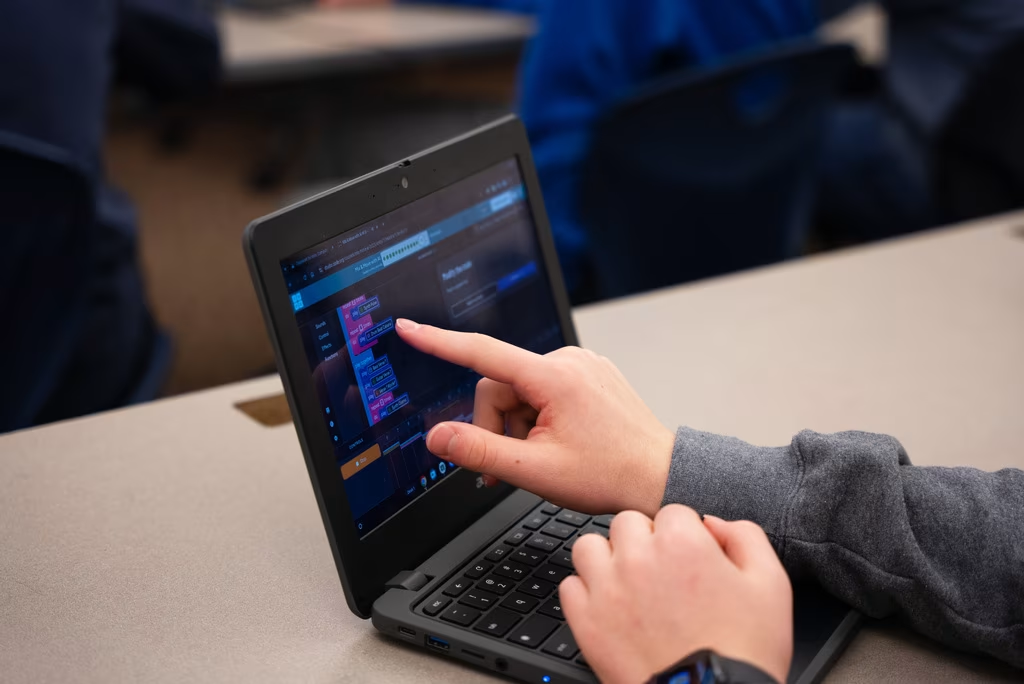
Comprehensive curriculum offerings for every grade and experience level featuring robust structured and self-paced learning options.
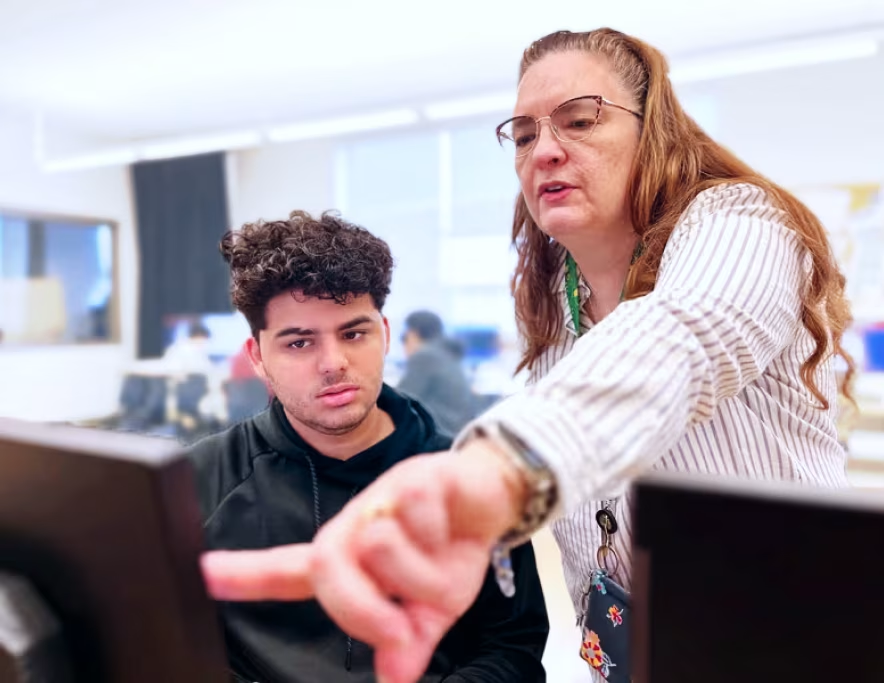
Explore how AI is shaping our world through free curriculum, videos, and integrations that make artificial intelligence accessible and inspiring.

Flexible, high-quality training that helps build confidence and equips teachers to effectively teach computer science with our curriculum.
Built with Harvard's CS50
Building AI Systems is developed through a multi-year partnership with David Malan and the team behind CS50, Harvard University's introduction to computer science. The goal is a course grounded in the ideas underneath the tools, so students who finish it can make sense of whatever comes next.