Computer Science Fundamentals
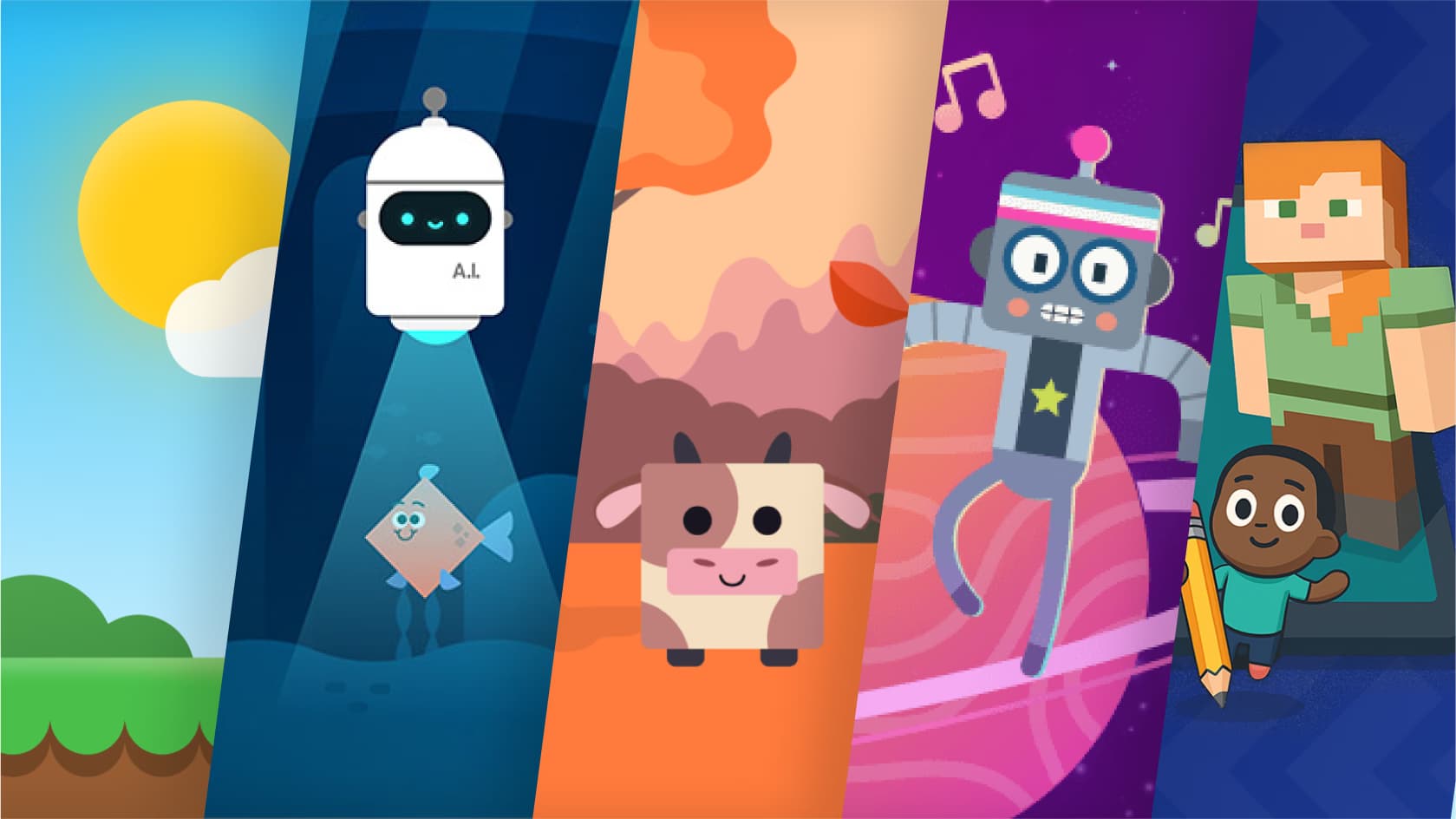
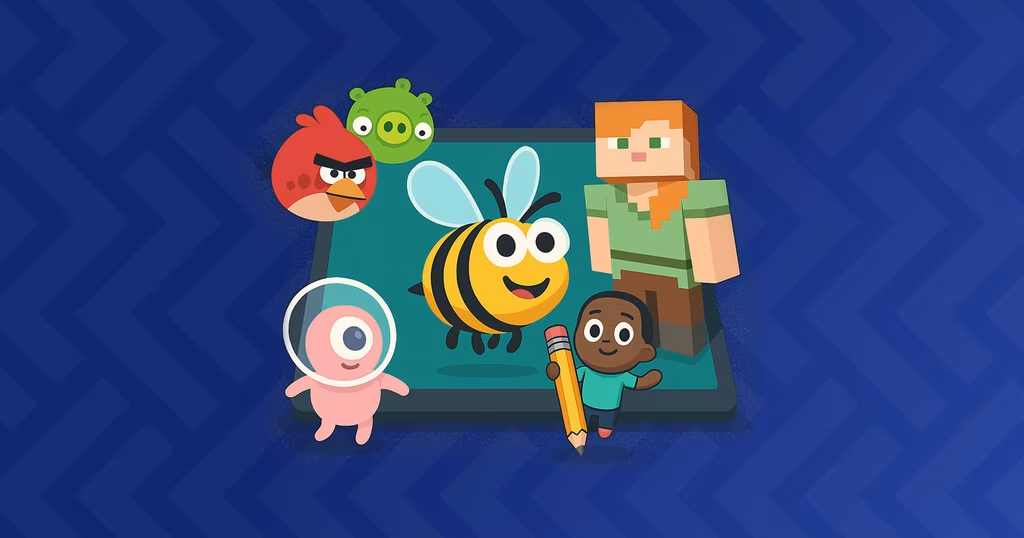
Now even the youngest students can explore the limitless world of computing. Code.org’s K-5 courses blend online, self-guided, and self-paced tutorials with “unplugged” activities that require no computer at all! Even kindergarten-aged pre-readers can participate. Our curriculum is available at no cost for anyone, anywhere in the world to teach.
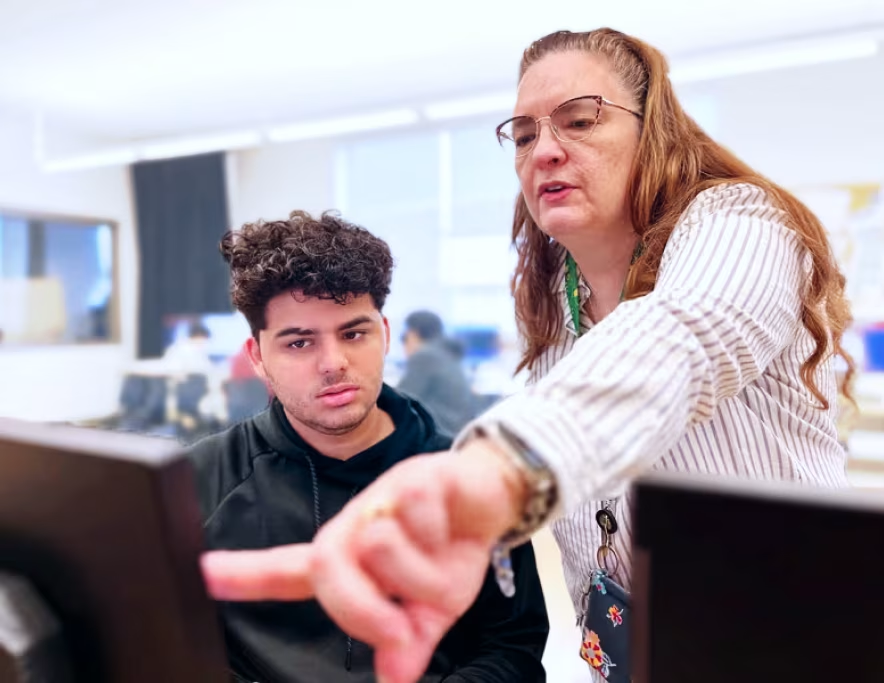
To help teachers implement our courses for grades K-5, Code.org offers high-quality, 1-day workshops for educators and content-area teachers (librarians, tech-ed specialists, etc.). These workshops are led by experienced Code.org facilitators in locations across the United States.
Attendees learn how to use Code.org's courses to introduce computer science basics in a format that's fun and accessible to the youngest learners (grades K-5). Attendees also receive all the supplies they need to teach—at no cost.

Find a CS Fundamentals facilitator near you or consider completing one of our online self-paced professional learning courses on your own.
Our Computer Science (CS) Fundamentals curriculum is implemented within Code Studio, our online education platform. This curriculum consists of multiple courses, each of which has about 20 lessons that may be implemented as one unit or over the course of a semester. Explore our courses below!
Download complete curriculum for Courses 1 - 4
| Course | Ages | Description | Teacher Resources |
|---|---|---|---|
Course 1 |
Ages 4-6 |
|
Lesson Plans Sequence Framework Standards |
Course 2 |
Ages 6+ |
|
Lesson Plans Sequence Framework Standards |
Course 3 |
Ages 8+ |
|
Lesson Plans Sequence Framework Standards |
Course 4 |
Ages 8+ |
|
Lesson Plans Sequence Framework Standards |
Unplugged |
All Ages |
|
Unplugged Activities |
By the end of each course, students create interactive games or stories that they can share with anyone.
The courses are flexible, too, so educators can adjust them based on their students’ developmental level and prior experience.
All lessons align to all relevant computer science standards, as well as to the ISTE standards. They additionally reinforce concepts and skills taught in other subject areas by integrating national Math, English Language Arts, and Science standards. Read more about our curriculum philosophy here.


The Code Studio teacher home page makes it easy for teachers to view lesson plans, create student accounts and monitor student progress. Students don't need an email address to have an account in Code Studio. Students can even log in with a picture instead of a text password.


Get online assistance while using our curriculum through product FAQs, technical support, and forums where you can communicate with other Code.org teachers! Learn more here.
We are revising Courses 1 - 4 based on the great feedback we've gotten in the last couple of years. In particular, the biggest change we are making is to break the content up into 6 courses aligned to each K-5 grade level. We're collecting feedback in Spring 2017 in preparation for making these courses broadly available for the '17 - '18 school year. Learn more and sign up for the pilot.
| Organization | Curriculum | Professional Development |
|---|---|---|
| Code Monkey | Over 300 story modes & skill mode challenges. Can be taught full year, 1/2 year, or quarterly. $10/student | Free online course, $250/webinar, $3500/onsite PD |
| Code Red Education | 150 lessons over 7 modules, $3500/site | Online PD included with site fee |
| Project Lead The Way | 6 10-hour computer science modules, $750/school | Face-to-face and online, $700 for school-level lead teacher |
| ScratchEd | A 6-unit intro to Scratch, FREE | In-person educator meet-ups and online MOOC, FREE |
| Tynker | Free tools, tutorials, and a 6-hr introductory lesson plan. 200+ lessons with assessments: $399/class, $2,000/school | 2-day PD, $2000/day + travel |
We have created videos, posters, and other resources you can use any course to explain key concepts of computer science and inspire your students.
Thousands of engineers and individuals passionate about computer science have signed up to volunteer as a mentor or a guest speaker. You can use our map of volunteers to contact local volunteers to visit your classroom, or search in any city to find computer science students or technical professionals who are ready to inspire your students remotely, via video chat.
Use this email or share this one-pager with teachers, principals and district administrators.